
How Bone Inlay Furniture Is Made: Step by Step

Table of Contents
- Understanding Bone Inlay Furniture: Materials and Foundations
- Ethical Bone Inlay Sourcing Standards
- The Complete Manufacturing Process
- How Long Does It Take to Make Bone Inlay Furniture?
- Tools and Equipment Used in Bone Inlay Work
- How to Spot Authentic Handcrafted Inlay Furniture
- Maintenance and Care for Your Bone Inlay Pieces
- Frequently Asked Questions
Last Updated: October 2, 2026
Understanding Bone Inlay Furniture: Materials and Foundations
Bone inlay furniture made with intricate decorative techniques represents one of the most sophisticated approaches in artisanal furniture making, combining natural materials with traditional methods to create stunning, one-of-a-kind pieces. At Mahlia Interiors, we specialise in ethically sourced bone inlay furniture that celebrates heritage craftsmanship whilst supporting artisan communities.

Bone inlay work begins with careful selection of natural components, thoughtful design planning, and meticulous execution across multiple production stages, transforming raw materials into functional art that lasts generations.
Camel Bone vs. Mother of Pearl: What's the Difference?
Camel bone and mother of pearl are the two primary materials used in bone inlay work, each offering distinct aesthetic and practical qualities.
Camel bone is the traditional choice for bone inlay furniture, ethically sourced from animals raised for food production.
Mother of pearl offers luminous iridescence and subtle colour shifts depending on lighting.
Many artisans combine both materials in a single piece. Camel bone might form the primary inlay pattern whilst mother of pearl creates highlight accents. This layering technique adds visual depth and complexity to the finished furniture.
The Role of Resin Fillers and Wood Bases
The wood base provides structural integrity and ensures the furniture withstands daily use and temperature changes.
After hand-cut bone pieces are embedded into routed channels, coloured resin fills gaps and creates a smooth, unified surface.
Resin colour choice dramatically affects visual impact, allowing each bone inlay furniture piece to reflect the homeowner's personal aesthetic.
Ethical Bone Inlay Sourcing Standards
Ethical sourcing underpins authentic bone inlay craftsmanship, with responsible producers ensuring materials come from animals raised for food production.
Camel bone sourcing should prioritise suppliers who document their supply chain transparently.
Mother of pearl sourcing requires responsible suppliers who source shell from sustainable fisheries or aquaculture operations.
When you purchase handcrafted inlay furniture, your investment supports skilled craftspeople and their communities. Mahlia Interiors works exclusively with artisan networks that maintain fair wages, safe working conditions, and respect for traditional knowledge.
Reputable makers provide information about where materials originate and how they're harvested, ensuring your bone inlay furniture aligns with your values.
The Complete Manufacturing Process
The journey from raw materials to finished bone inlay furniture made through meticulous handwork spans multiple weeks, with each step requiring skill and precision that cannot be automated.
Step 1: Design and Pattern Creation
Every bone inlay piece begins with design, as artisans sketch intricate patterns, geometric motifs, or custom designs that guide the entire production process.
The design phase considers the furniture's purpose, dimensions, and customer preferences. Custom commissions allow homeowners to collaborate with artisans, ensuring the final piece suits their space.
Once finalised, the pattern is transferred onto the wood base as a roadmap for routing, embedding, and finishing work.
Step 2: Surface Preparation and Routing
The wood surface is sanded to a smooth, even finish, removing any imperfections.
Using hand-held routing tools or traditional chisels, artisans carve shallow channels (typically 3-5mm deep) along the marked pattern lines to hold hand-cut bone pieces. Precision is critical: channels must be the right depth for proper seating and structural integrity.
Step 3: Hand-Cutting and Shaping Inlay Pieces
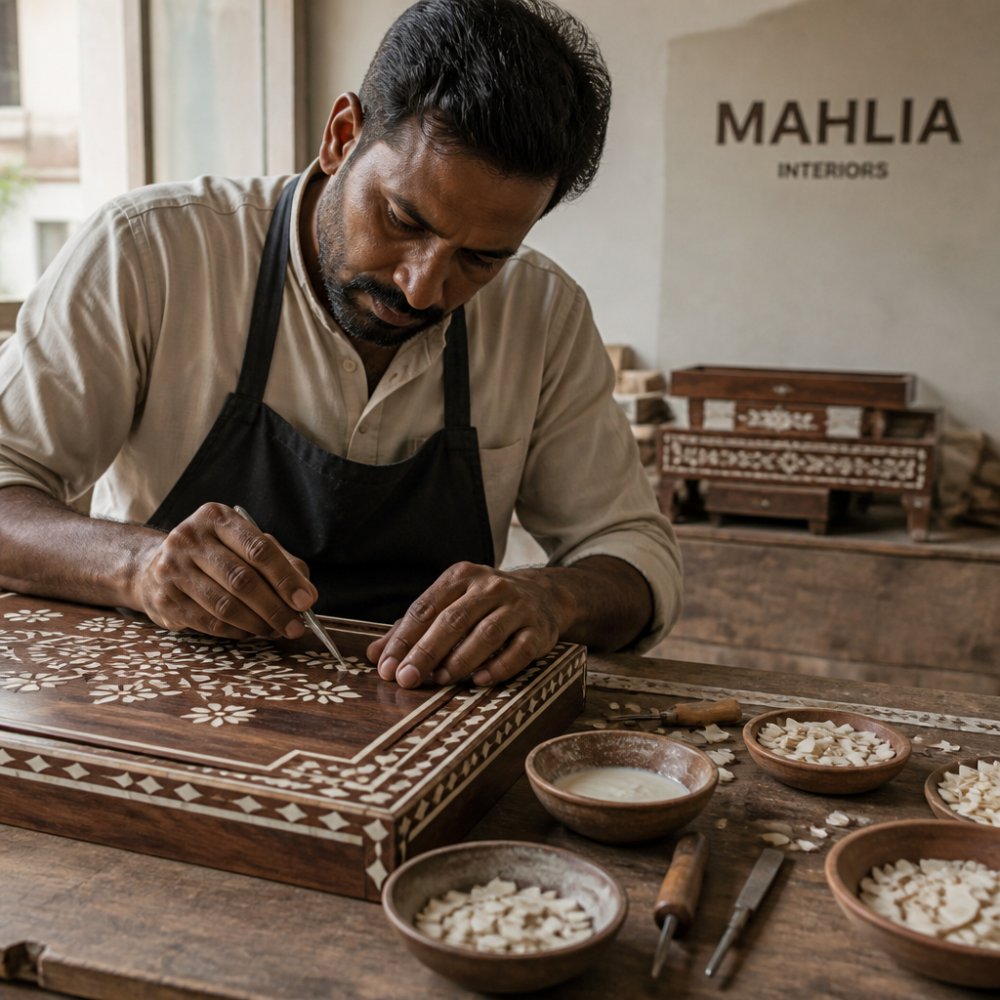
Artisans hand-cut each individual bone or mother of pearl piece to fit the routed channels, where the artisanal nature of bone inlay truly shines.
Using hand saws, chisels, and files, craftspeople shape each piece to exact specifications. Pieces must fit together like a puzzle with minimal gaps.
For floral patterns, artisans hand-carve details into each bone piece, petals, leaves, and stems, that cannot be replicated by machinery.
Step 4: Embedding and Adhesive Application
Artisans apply strong adhesive into the routed channels, then carefully position each bone piece into place.
Each piece must sit flush with the wood surface. Artisans use small wooden mallets and careful pressure to ensure proper seating, using strong wood glue or epoxy that bonds the bone permanently to the timber base.
Step 5: Sanding and Surface Refinement
Once the adhesive cures, careful sanding brings all materials to the same level, creating a smooth, unified surface.
Progressive sanding with finer grits ensures no ridges remain between bone and wood, creating a smooth, seamless surface.
Step 6: Resin Filling and Finishing Coat
With the surface sanded smooth, coloured resin is applied.
Artisans pour the resin carefully, allowing it to flow into all channels and gaps. The resin is typically applied in thin coats, allowing each layer to cure before applying the next.
Once the resin has fully cured, another round of fine sanding brings the surface to a perfect finish. The resin and bone are now flush, creating a cohesive, durable surface.
Step 7: Final Polishing and Quality Inspection
The final stage involves careful polishing. Artisans use soft cloths and gentle polishing compounds to bring out the natural lustre of the bone and the vibrant colour of the resin.
Quality inspection happens throughout production, but the final check is thorough. Artisans examine the entire piece for consistency, durability, and aesthetic appeal. Any minor imperfections are addressed. The finished furniture undergoes quality inspection to ensure structural integrity.
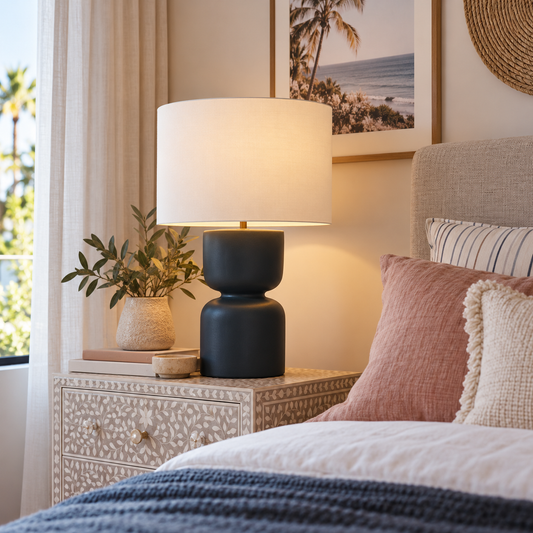
Bone Inlay Buffet : Zig Zag: Orange →
Each piece that leaves the workshop represents weeks of skilled labour and unwavering commitment to excellence.
How Long Does It Take to Make Bone Inlay Furniture?
The complete process from initial design to final delivery typically requires 6-8 weeks from deposit payment. This timeline reflects the reality of handcrafted production: true artisanal work cannot be rushed.
The breakdown varies depending on complexity. Simple geometric patterns might require 4-5 weeks, whilst elaborate floral designs with mother of pearl accents can extend to 8+ weeks. Custom commissions often take longer as artisans collaborate with customers to refine designs.
This extended timeline is not a limitation, it's evidence of genuine craftsmanship. Each week represents hundreds of hours of skilled labour, material sourcing, and quality control. When you invest in bone inlay furniture from Mahlia Interiors, you're supporting a process that honours traditional techniques and respects the artisans who create these pieces.
Tools and Equipment Used in Bone Inlay Work
Bone inlay production relies on a combination of traditional hand tools and specialised equipment.
Hand saws and chisels are essential for cutting bone and mother of pearl.
Files and rasps shape individual bone pieces to exact specifications.
Adhesives include strong wood glues and epoxies that permanently bond bone to timber.
Sanding equipment ranges from hand-held sanders to fine sandpaper for finishing work.
Resin and colouring agents are carefully selected for durability and colour fastness. High-quality resins maintain vibrant colour.
Polishing compounds and cloths bring out the final lustre.
How to Spot Authentic Handcrafted Inlay Furniture
Distinguishing genuine handcrafted bone inlay from mass-produced imitations requires knowledge of what to examine.
Surface texture tells a story.
Bone quality matters significantly. Genuine camel bone has natural colour variation and subtle grain patterns.
Inlay precision reveals craftsmanship.
Weight and feel distinguish quality from imitation. Authentic bone inlay furniture is substantial and well-balanced.
Documentation and provenance matter. Reputable makers like Mahlia Interiors provide information about sourcing, artisan communities, and production methods. They're transparent about materials and happy to discuss their supply chain.
Price point offers clues. Genuine handcrafted bone inlay furniture requires weeks of skilled labour.
Ask makers specific questions about their process. How long does production take? Where do materials originate? Can they document their supply chain?
Maintenance and Care for Your Bone Inlay Pieces
Regular dusting keeps the surface clean. Use a soft, dry cloth to remove dust.
Moisture control is essential.
Avoid direct sunlight for extended periods.
Cleaning should be gentle. For everyday cleaning, a slightly damp cloth works well.
Treat spills promptly.
Avoid extreme temperature changes.
Professional restoration is available if damage occurs. Skilled artisans can repair chips, cracks, or resin damage.
Proper care transforms bone inlay furniture into heirloom pieces that improve with age.
Bone inlay furniture represents a significant investment in timeless, handcrafted beauty.
Frequently Asked Questions
What materials are used to create authentic bone inlay furniture?
Authentic bone inlay furniture combines ethically sourced camel bone or mother of pearl with a solid timber base, typically hardwood. Artisans hand-cut these materials into intricate shapes and embed them into routed grooves using natural adhesive. The inlaid pieces are then secured with coloured resin fillers that match the design aesthetic. Each material, bone, pearl, wood, and resin, plays a crucial role in durability and visual appeal. The choice between camel bone and mother of pearl depends on the desired aesthetic and the piece's intended use.
How long does it take to make bone inlay furniture?
Creating a handcrafted bone inlay piece is a labour-intensive process. A single chest or dining table typically requires weeks of meticulous work, involving design creation, surface preparation, hand-cutting hundreds of individual inlay pieces, embedding, sanding, resin application, and final polishing. The timeline depends on the pattern's complexity, the piece's size, and the artisan's experience. Custom orders allow 6-8 weeks from deposit payment, reflecting the genuine time required for authentic craftsmanship rather than mass production shortcuts.
How do I know if bone inlay furniture is ethically sourced?
Ethical bone inlay sourcing means materials come from suppliers who follow fair labour practices and sustainable harvesting. Look for brands that transparently document their supply chain and partner directly with artisan communities. Mahlia Interiors uses 100% ethically sourced materials and supports artisan communities throughout production. Authentic ethical suppliers can provide documentation about material origins and labour practices. Avoid pieces from sellers who cannot explain where their bone or mother of pearl originates, as this often signals exploitative sourcing or mass-production practices that prioritise profit over artisan welfare.
What's the difference between handmade and mass-produced bone inlay furniture?
Handmade bone inlay furniture is individually crafted by skilled artisans who hand-cut each piece and embed it manually, resulting in unique variations and superior craftsmanship. Mass-produced inlay uses templated designs, machine cutting, and faster assembly methods, compromising durability and aesthetic quality. Handmade pieces feature subtle imperfections that reflect genuine artistry, stronger adhesive bonds, and careful finishing. Mass-produced items often use lower-quality materials and shortcuts in resin application or sanding. The durability, longevity, and visual character of handmade bone inlay furniture far exceed mass-produced alternatives, making it a genuine investment rather than disposable decor.