
How to Clean Bone Inlay Furniture: A Complete Guide

Table of Contents
- What You'll Need Before You Start
- Daily Dusting and Routine Care for Bone Inlay Furniture
- How to Remove Stains from Bone Inlay
- Is Beeswax Safe for Mother of Pearl Inlay?
- The Best Wax for Bone Inlay Furniture
- Deep Cleaning Intricate Patterns and Grime Buildup
- Protecting the Wood Base and Preventing Moisture Damage
- Common Mistakes to Avoid When Cleaning Bone Inlay Furniture
- Frequently Asked Questions
Last Updated: September 10, 2026
What You'll Need Before You Start
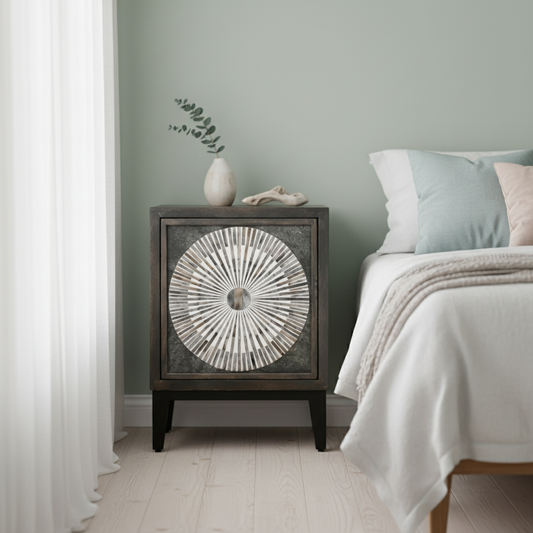
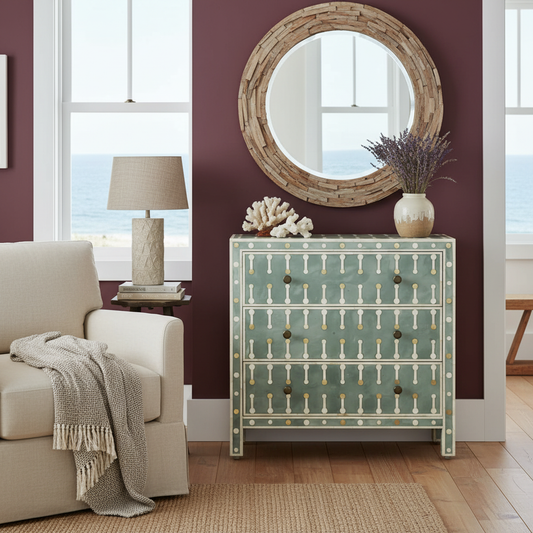
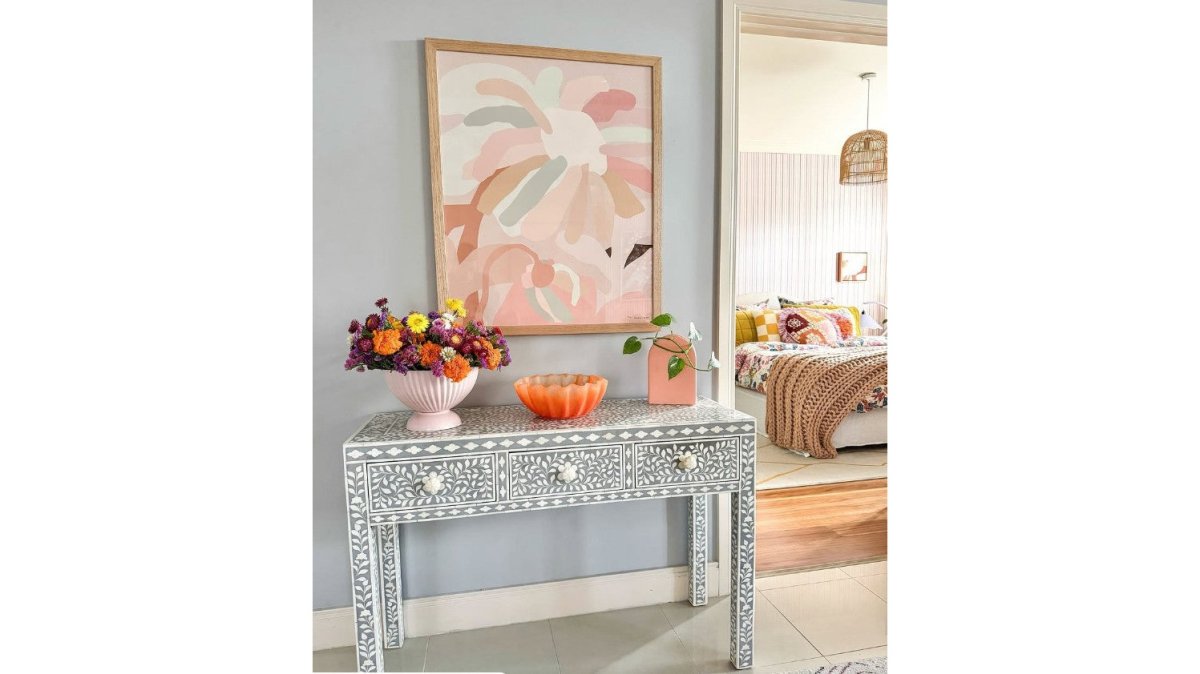
Learning how to clean bone inlay furniture starts with understanding what you're actually cleaning, and the same goes for any clean bone inlay piece you own. Bone inlay is a handcrafted surface where small pieces of camel bone, mother of pearl, or resin are set into a wood base, then finished with a protective coating. Each material responds differently to water, heat, and chemicals, so the wrong cloth or solution can dull the finish or loosen the inlay over time.

Every handcrafted piece is unique, which means no two surfaces behave exactly the same. That's precisely why a gentle, consistent routine beats an aggressive occasional scrub.
Gather these before you begin:
- Two soft microfiber cloths, one dry and one barely damp
- A soft-bristled brush or clean makeup brush for intricate patterns
- Mild dish soap diluted in warm water
- A pH-neutral, ammonia-free wood cleaner
- Beeswax or a quality furniture wax
- A dry cloth for buffing
Daily Dusting and Routine Care for Bone Inlay Furniture
Dust is the single biggest threat to a bone inlay surface, and it's the easiest problem to prevent. Surface dust settles into the recesses between inlay pieces, and if it's left too long it combines with humidity to form a gritty film that dulls the pattern and scratches the finish when you finally wipe it away.

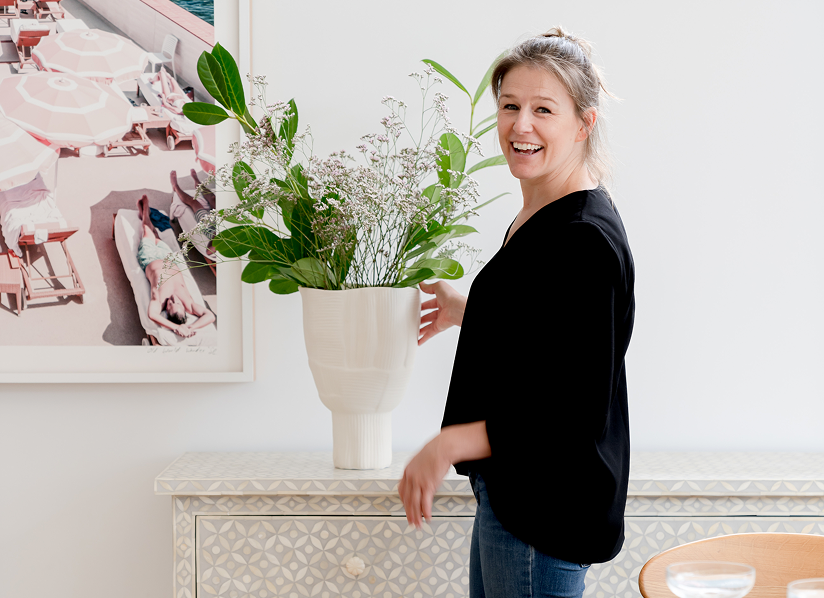
A dry microfiber cloth is your first line of defence. Wipe with the grain of the wood, not against it, and use light pressure. For the intricate patterns where dust collects in the gaps, a soft-bristled brush or a clean makeup brush lifts debris without scratching the surrounding surface.
Dust every two to three days in high-traffic rooms, and weekly in bedrooms or guest spaces (cleaninginstitute.org). A common mistake is reaching for a damp cloth for everyday dusting, which introduces moisture the wood base doesn't need. Save the damp cloth for actual marks.
How to Remove Stains from Bone Inlay
Most stains on bone inlay come out with warm soapy water and patience, not force. The key is acting quickly and using the mildest method first.

Work through this sequence:
- Blot the spill immediately with a dry cloth. Don't rub, as rubbing pushes liquid into the seams.
- Mix a few drops of mild dish soap into warm water.
- Dampen a microfiber cloth, wring it out until it's nearly dry, and wipe the stain gently.
- For stubborn marks, add a small amount of baking soda to the damp cloth and work in circles.
- Dry the area completely with a clean cloth, then let it air for an hour before replacing anything on top.
For grease or oil, a diluted ammonia-free cleaner works better than soap alone. Avoid vinegar on mother of pearl, as its acidity can etch the surface over repeated use.
Is Beeswax Safe for Mother of Pearl Inlay?
Yes, beeswax is safe for mother of pearl inlay when applied sparingly and buffed properly. Mother of pearl is a natural material with a soft, iridescent surface, and a thin layer of beeswax protects it from moisture and dust without clouding the sheen. The mistake is applying too much. A heavy coat traps dust and creates a dull, tacky film that's hard to remove.
Apply a small amount with a soft cloth, let it sit for a few minutes, then buff with a clean dry cloth until the surface feels smooth, not greasy. Once or twice a year is enough for most pieces. For a closer look at how beeswax compares with other finishes, the Australian Furniture Association care guidance offers useful context on natural wax products.
The Best Wax for Bone Inlay Furniture
A quality beeswax or carnauba-based furniture wax is the best choice for bone inlay, because both are natural, non-abrasive, and compatible with the protective coatings used on handcrafted pieces. Avoid spray polishes and silicone-based products, which build up over time and can leave a cloudy residue in the inlay seams.
What most guides skip is that wax behaves differently depending on what the inlay is made of. On bone, a thin wax coat sits on the surface and buffs to a soft sheen. On mother of pearl, the same coat can slightly mute the iridescence if it is too thick, so apply it more sparingly and buff harder. On resin inlay, wax is largely cosmetic, resin does not absorb it the way bone does, so a heavy coat simply sits on top and attracts dust. If you are unsure which material you have, test on the underside first.
| Wax Type | Best For | Frequency | Watch Out For |
|---|---|---|---|
| Beeswax | Bone and mother of pearl | Every 6 months | Over-application; mutes pearl if too thick |
| Carnauba blend | High-traffic surfaces | Every 4-6 months | Requires thorough buffing |
| Silicone polish | Not recommended | Never | Residue buildup in seams |
| Spray polish | Not recommended | Never | Seam contamination and clouding |
Removing Old Wax or Polish Buildup
If a piece feels tacky, looks cloudy, or has visible white residue in the inlay gaps, it has too much product on it. This is one of the most common problems on second-hand bone inlay, because previous owners often over-waxed. Stripping it back is safe if you work gently.
- Dust the surface first with a soft brush so you are not grinding grit into the finish.
- Mix a few drops of pH-neutral, ammonia-free cleaner into warm water.
- Dampen a microfiber cloth, wring it until barely damp, and wipe one small section at a time.
- Work a cotton bud dipped in the same solution along the inlay seams to lift softened wax from the gaps.
- Dry immediately with a clean cloth and let the section air before moving on.
- Repeat only if residue remains, never scrub harder to speed it up.
For stubborn silicone or spray-polish buildup, a specialist furniture cleaner labelled safe for shell and bone is worth the cost. Avoid vinegar, methylated spirits, and abrasive creams, all of which can etch mother of pearl or dull the protective coating on bone.
If you are removing old wax or polish buildup, use a diluted pH-neutral cleaner and a soft cloth, working in small sections. Never scrape at the surface.
Deep Cleaning Intricate Patterns and Grime Buildup
Grime buildup in intricate patterns needs a two-step approach: loosen, then lift. Start by brushing the surface with a soft-bristled brush to release loose debris from the recesses. Then dampen a microfiber cloth with warm soapy water, wrap it around your finger, and work gently into the pattern.
For deeper grime, a cotton bud dipped in diluted soapy water reaches tight corners without flooding the wood base. Work in small sections and dry as you go. Never soak the surface or let water pool in the inlay gaps, as moisture damage in the wood base is the most common cause of lifting inlay.
Deep clean every three to four months for pieces in regular use. If a piece has not been cleaned in years, do not try to fix it in one session, grime that has bonded over a long period softens gradually, and aggressive scrubbing lifts inlay that would otherwise have stayed put.
Repairing Chipped or Missing Inlay Pieces
Most guides stop at cleaning and tell you to call a restorer the moment a piece of inlay lifts. That is sensible for large sections, antique pieces, or anything with sentimental or high market value. But minor chips and single missing pieces can sometimes be repaired at home, and knowing the difference can save a costly call-out.
First, identify the material. Authentic bone is off-white to cream, slightly porous, and warm to the touch. Mother of pearl has a layered, iridescent sheen that shifts colour in light. Resin is uniform in colour, feels cooler and smoother, and often looks too perfect. The repair method differs for each.
For a small chip or a single missing piece:
- Keep the loose fragment if you have it. Store it in a small labelled bag, matching a replacement later is far easier with the original.
- Clean the empty recess with a dry soft brush. Any dust or old adhesive left in the cavity weakens the bond.
- For bone or resin, a small amount of clear-drying craft adhesive applied with a toothpick works for a single piece. Press the fragment in gently and wipe any squeeze-out immediately with a damp cloth.
- For mother of pearl, avoid cyanoacrylate glues, which can cloud the surface. A conservation-grade adhesive from a specialist supplier is the safer choice.
- Support the piece with low-tack tape while it cures, and leave it undisturbed for the full curing time on the label, usually 24 hours.
- Once cured, do not wax the repaired area for at least a week.
If a piece is genuinely missing and you have no fragment, matching bone or mother of pearl by colour, thickness, and grain is difficult without a supplier. In that case, contact the maker or a qualified furniture restorer. Resin replacements are easier to source but rarely match an authentic piece convincingly.
If several pieces have lifted, if the wood base beneath is swollen or soft, or if the piece is an antique, stop and get professional advice. Lifting in multiple areas usually signals a moisture problem in the base, and gluing pieces back without fixing the cause simply delays the next failure.
Protecting the Wood Base and Preventing Moisture Damage
The wood base underneath the inlay is more vulnerable than the surface itself. Bone inlay furniture is sensitive to humidity swings, and moisture that seeps into the base causes swelling, warping, and eventually loose inlay pieces.
Keep pieces away from direct heat sources, air conditioning vents, and prolonged direct sunlight. In humid climates, a dehumidifier or good ventilation helps stabilise the environment around the piece. In drier climates, avoid placing furniture directly against heating.
Use coasters under drinks and felt pads under decorative objects. Wipe up spills immediately. If you live somewhere with strong seasonal humidity shifts, a light wax coat before the wet season adds a useful barrier.
Common Mistakes to Avoid When Cleaning Bone Inlay Furniture
Most damage to bone inlay furniture comes from well-intentioned cleaning, not neglect. These are the mistakes we see most often:
- Using a wet cloth instead of a barely damp one, which pushes water into the seams
- Reaching for all-purpose spray cleaners that contain ammonia or bleach
- Scrubbing stains with abrasive pads or brushes
- Applying wax too thickly, which traps dust and dulls the finish
- Leaving spills to sit, letting liquid seep into the wood base
- Skipping routine dusting until grime has already bonded to the surface
The good news is that bone inlay is more durable than its delicate appearance suggests. With a gentle routine, most pieces hold up well to real life, including homes with kids and pets. If you're considering a new piece, our Bone Inlay 6 Drawer Buffet in Arrows Black & White is handcrafted with the same materials and finishes these care steps are designed to protect.
For broader guidance on caring for handcrafted timber pieces, the Timber Preserve resources on furniture care cover humidity and finishing basics that apply to any inlay piece.
Bone inlay furniture rewards a light, consistent touch, and the pieces that last decades are the ones cleaned gently and often rather than aggressively and rarely. If you'd rather start with a piece built to be cared for properly, Mahlia Interiors handcrafts every item using 100% ethically sourced materials, supports the artisan communities who make them, and offers custom inlay design so your piece fits your space exactly. Shop our new arrivals and bring a piece home that's made to be lived with.
Frequently Asked Questions
Can I use beeswax on mother of pearl inlay?
Yes, beeswax is generally safe for mother of pearl inlay when used sparingly. The wax creates a protective barrier that helps prevent moisture damage without harming the shell. Apply a thin layer with a soft cloth, let it sit for a few minutes, then buff gently. Avoid waxes that contain harsh chemicals, ammonia, or bleach, as these can dull the mother of pearl's natural iridescence over time.
How do I remove stains from bone inlay?
For most stains, mix a few drops of mild dish soap with warm water. Dampen a microfiber cloth and gently wipe the affected area, being careful not to soak the wood base. For tougher marks, use a soft-bristled brush like a makeup brush to work the solution into intricate patterns. Avoid abrasive cleaners and harsh chemicals, which can damage both the bone and resin inlay.
Is bone inlay furniture genuine?
Authentic bone inlay furniture is handcrafted using real animal bone, often from camels or buffalo, sourced as a byproduct of the meat industry. It is not synthetic resin. You can distinguish genuine bone from resin by examining the pattern: real bone has slight variations in colour and texture, while resin pieces look uniform. Mahlia Interiors uses 100% ethically sourced materials, so you can trust the authenticity of each piece.
How do I protect bone inlay furniture from moisture damage?
Keep bone inlay pieces away from direct humidity sources like open windows, vents, or bathrooms. Use coasters under drinks and wipe up spills immediately with a dry cloth. Apply a protective coating of beeswax every few months to seal the surface. In humid climates, consider using a dehumidifier nearby. This preventative maintenance helps prevent the wood base from warping and the inlay from lifting.