
Styling Bone Inlay in Modern Homes: A Design Guide

Table of Contents
- Why Bone Inlay Works in Modern Interiors
- Best Wall Colours to Pair with Bone Inlay Mirrors and Focal Points
- Placement and Focal Point Strategy for Statement Pieces
- Bone Inlay Furniture Styling Tips for Minimalist and Maximalist Spaces
- Pairing Bone Inlay with Modern Furniture and Textural Contrast
- How to Clean and Maintain Bone Inlay Furniture Long-Term
- Authenticity and Craftsmanship Verification
- Sustainable Sourcing and Ethical Investment
- Frequently Asked Questions
Last Updated: September 20, 2026
Why Bone Inlay Works in Modern Interiors
Bone inlay modern homes gain sophistication without sacrificing clean lines or minimalist principles when styled thoughtfully.

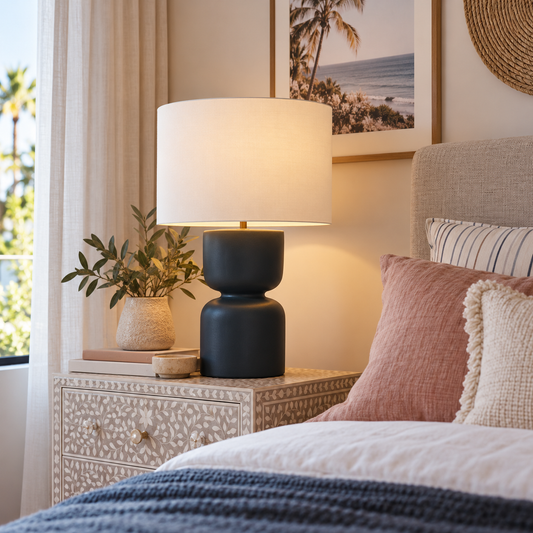
Each piece is handcrafted by skilled artisans, creating intricate patterns that catch light without overwhelming a room. Patterns vary slightly from piece to piece, celebrating the human hand behind the work.
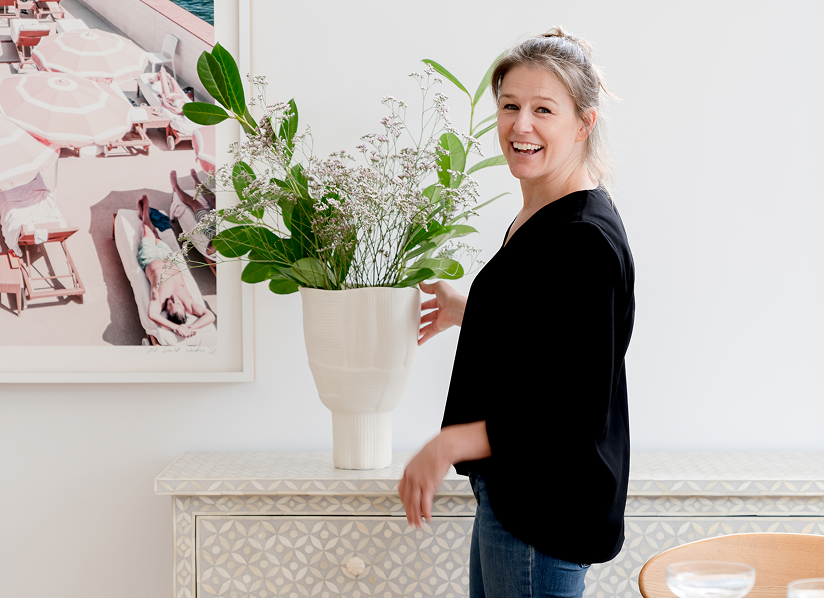
A monochrome bone inlay sideboard against a neutral wall becomes a focal point through pattern, not color. Geometric or floral motifs provide visual interest while natural bone tones remain restrained, separating a curated space from a cluttered one.
Homeowners increasingly seek pieces that deliver both artistry and restraint, furniture that tells a story without demanding all the attention in a room. Bone inlay delivers exactly that.
Best Wall Colours to Pair with Bone Inlay Mirrors and Focal Points
The wall behind a bone inlay piece determines whether it commands the room. Colour choice is the foundation of your styling strategy.
Monochrome Palettes for Maximum Impact
Neutral walls amplify bone inlay's intricate patterns. Soft white, warm beige, or soft grey creates contrast that makes the inlay shimmer without competing for visual attention.
The Forest Black & White Sideboard exemplifies this principle. Against a pale grey or off-white wall, the monochrome foliage pattern becomes the room's focal point. At 180cm wide, it commands presence through pattern alone, not bold colour.

Dark walls can swallow the inlay's delicate details. Test paint samples in natural and artificial light before committing.
Warm Neutrals and Earthy Tones
Warm neutrals, soft terracotta, warm sand, muted ochre, create a grounded aesthetic that complements bone inlay's organic origins without competing visual weight.
A bone inlay piece with natural or cream-coloured resin pairs beautifully with warm neutral walls, creating a cohesive, layered interior rather than stark contrast.
Earthy tones work well with natural materials like timber, stone, and woven textiles, anchoring bone inlay within a broader design narrative.
Bold Accent Walls Without Clashing
Bold colour works with bone inlay only when the wall becomes secondary to the furniture. Deep jewel tones, emerald, sapphire, or rich plum, can frame a bone inlay piece if the wall occupies only one section of the room.
Keep bold accent walls behind or beside the bone inlay piece, not opposite it. This creates a visual frame; the piece remains the focal point.
Avoid saturated warm tones directly behind bone inlay; they create visual noise. Cool jewel tones recede slightly, allowing the inlay to advance.
Placement and Focal Point Strategy for Statement Pieces
Where you position bone inlay furniture determines whether it functions as a focal point or feels awkwardly placed. Strategic placement transforms a beautiful piece into the room's anchor.

Creating Visual Balance in Living Rooms
Position a bone inlay sideboard or console on the wall opposite the seating area or first visible from the entry point.
Position the Forest Black & White Sideboard where it's immediately visible but not blocking sightlines. Pair it with a single mirror or leave the wall bare; competing focal points dilute impact.
If your sideboard is the statement piece, keep surrounding furniture simple with neutral tones and minimal accessories.
Entryway Statement Pieces That Welcome
Entryways benefit from bone inlay furniture because first impressions set the tone for the home. A console table or sideboard signals that craftsmanship matters.
The Bone Inlay 4 Drawer Sideboard in Zelliges Black works well in entryways. Its Moroccan-inspired geometric pattern creates intrigue without overwhelming the space.
Position an entryway piece where it's visible but doesn't obstruct movement. Style it sparingly or leave it bare; the furniture itself is the statement.
Bone Inlay Furniture Styling Tips for Minimalist and Maximalist Spaces
Bone inlay adapts to opposing design philosophies, but the styling approach differs dramatically. Understanding which aesthetic guides your space determines how to integrate the piece successfully.
Styling in Minimalist Aesthetics
Bone inlay thrives under minimalist constraint. The piece becomes precious because everything else is sparse.
Position bone inlay furniture as the room's primary visual element, surrounded by negative space and minimal accessories. A single sideboard in a room with white walls and light timber flooring creates powerful impact.
The Bone Inlay Sofa in Floral Natural demonstrates minimalist integration. Its handcrafted pattern provides visual richness without additional decorative objects.
Bone Inlay Sideboard : Forest →
Direct light onto the inlay to emphasise texture and pattern, transforming the piece into sculptural art.
Layering with Maximalist Decor
In maximalist spaces, bone inlay must command attention within visual density by creating a hierarchy where the piece remains dominant.
Position bone inlay furniture as the anchor point. Build layering around it with complementary patterns and textiles that support rather than overwhelm the inlay.
The Bone Inlay Dining Table in Kelly Wearstler International Design works well in layered spaces. Its sculptural base and geometric pattern command attention even when surrounded by textured accessories.

Introduce colour through surrounding accessories rather than competing with the furniture itself.
Pairing Bone Inlay with Modern Furniture and Textural Contrast
Bone inlay creates textural depth in modern interiors when paired thoughtfully with complementary materials and finishes. The contrast between smooth inlay and other textures elevates the entire space.
Mixing Patterns Without Overwhelming
Pattern layering requires a clear hierarchy. Bone inlay patterns demand that surrounding patterns remain secondary in scale or intensity.
Pair large-scale bone inlay patterns with smaller, simpler patterns. The eye reads the inlay as primary; supporting patterns add interest without competition.
Pair bone inlay with solid textures like nubby linen to create contrast through material rather than pattern.
Avoid pairing two large-scale patterns in close proximity. A bold geometric inlay and an ornate rug in the same sightline creates visual conflict rather than cohesion.
Creating Textural Layers
Bone inlay's smooth surface contrasts beautifully with rough textures like raw timber, woven textiles, or stone.
A bone inlay sideboard beside chunky knit, woven baskets, or timber creates depth through material contrast, working across minimalist and maximalist aesthetics.
Warm light across bone inlay and rough textures creates dimension without additional colour or pattern.
How to Clean and Maintain Bone Inlay Furniture Long-Term
Bone inlay is durable when maintained properly. Understanding care prevents damage and preserves the craftsmanship for decades.
Daily Cleaning and Dust Care
Weekly dusting with a soft, dry cloth removes surface dust without scratching the bone or resin.
For deeper cleaning, use a slightly damp microfibre cloth, wringing out excess water thoroughly.
Protecting Against Moisture and Humidity
Humidity poses the greatest threat to bone inlay longevity. Moisture penetrates the resin base and causes the wood frame to swell, cracking the inlay.
Repair and Restoration for Lasting Beauty
Chips or cracks in the inlay require professional restoration. Attempting DIY repairs risks further damage. Mahlia Interiors can advise on restoration specialists who understand bone inlay repair techniques.
Authenticity and Craftsmanship Verification
The bone inlay market includes mass-produced imitations alongside genuine handcrafted pieces. Distinguishing authentic work from factory-made alternatives protects your investment and ensures you're supporting true artisan communities.
Sustainable Sourcing and Ethical Investment
Choosing bone inlay furniture means supporting artisan communities and sustainable practices, or enabling exploitation, depending on sourcing ethics. Understanding the supply chain protects both craftspeople and your conscience.
| Maintenance Task | Frequency | Key Precaution |
|---|---|---|
| Dust with soft cloth | Weekly | Avoid commercial polishes |
| Damp-cloth cleaning | Monthly | Wring out excess water thoroughly |
| Humidity monitoring | Ongoing | Keep humidity between 40-50% |
| Professional inspection | Annually | Check for moisture damage or cracks |
| Deep restoration | As needed | Consult professionals for significant damage |
Frequently Asked Questions
What are the best wall colours to pair with bone inlay mirrors?
Neutral tones like soft whites, warm greys, and pale creams let the intricate patterns shine without competing for attention. Monochrome palettes amplify the geometric motifs and create visual balance. For bolder rooms, deep charcoal or muted sage work beautifully as backdrop colours, allowing the bone inlay to remain the statement piece. Avoid heavily patterned wallpapers directly behind bone inlay mirrors, as this creates visual clutter rather than the curated look you're aiming for.
How do you clean and maintain bone inlay furniture?
Dust regularly with a soft, dry cloth to prevent particles settling into the inlay patterns. For deeper cleaning, use a slightly damp cloth with mild soap and water, then dry immediately to avoid moisture absorption. Avoid harsh chemicals and excessive water, especially in humid climates. Place coasters under drinks and use placemats to protect surfaces. In humid environments, use a dehumidifier to maintain stable moisture levels and prevent warping of the wooden frame and inlay materials.
Does bone inlay furniture suit a minimalist interior design style?
Yes, bone inlay pieces work beautifully in minimalist spaces when styled thoughtfully. The key is restraint: choose monochromatic pieces like black and white geometric patterns, and let the furniture stand alone without competing accessories. A single bone inlay sideboard or mirror becomes the focal point in an otherwise spare room. The intricate artisan craftsmanship satisfies the minimalist desire for quality and intention, while the geometric patterns provide visual interest without clashing with clean lines and neutral palettes.
How can I ensure my bone inlay furniture is ethically sourced?
Ask suppliers directly for documentation about material sourcing and artisan community partnerships. Reputable makers like Mahlia Interiors use 100% ethically sourced materials and work directly with artisan communities, which they're transparent about. Look for brands that explain their sourcing practices, name their partner communities, and can provide certification or traceability information. Avoid sellers who cannot articulate their supply chain or make vague claims about sustainability without backing them with verifiable practices.